
Storm Drainage Solutions in Atlanta GA
Efficient Storm Drainage Systems
Design, Challenges, and Sustainable Solutions
Have you ever wondered how much damage poor storm drainage can cause to your home? In the Atlanta metro area, flooding and water damage are serious concerns for many homeowners. This article explores effective storm drainage solutions to help you prevent common issues and protect your property.
At Drainage First, we’re committed to preventing flooding and reinforcing your home’s foundation through smart, cost-effective rainwater management strategies.
Storm drainage systems are the invisible backbone of modern urban infrastructure. They manage rainfall, prevent surface flooding, and ensure that excess water is safely diverted away from homes and streets. These systems—made up of underground pipes, surface channels, retention basins, and other components—play a vital role in protecting property, ensuring public safety, and supporting environmental health.
As climate change intensifies rainfall patterns and urban development increases runoff, the need for reliable stormwater management solutions becomes even more urgent. In this guide, we’ll explore the essential elements, design principles, and innovative techniques that make up today’s most effective storm drainage systems.

Key Takeaways
- Understanding storm drainage can prevent costly home repairs.
- Timely maintenance of drainage systems is key for flood prevention.
- Good drainage solutions can boost your property's value and look.
- Many residential drainage issues can be fixed with simple steps.
- Knowing when to DIY or call a pro helps you make smart choices.
Share:
Serving Metro Atlanta and Surrounding Areas
Take the first step today – shield your property from costly water damage.
Struggling with drainage problems around your yard or foundation? Contact us now for a free consultation and let’s find the right solution for your home.
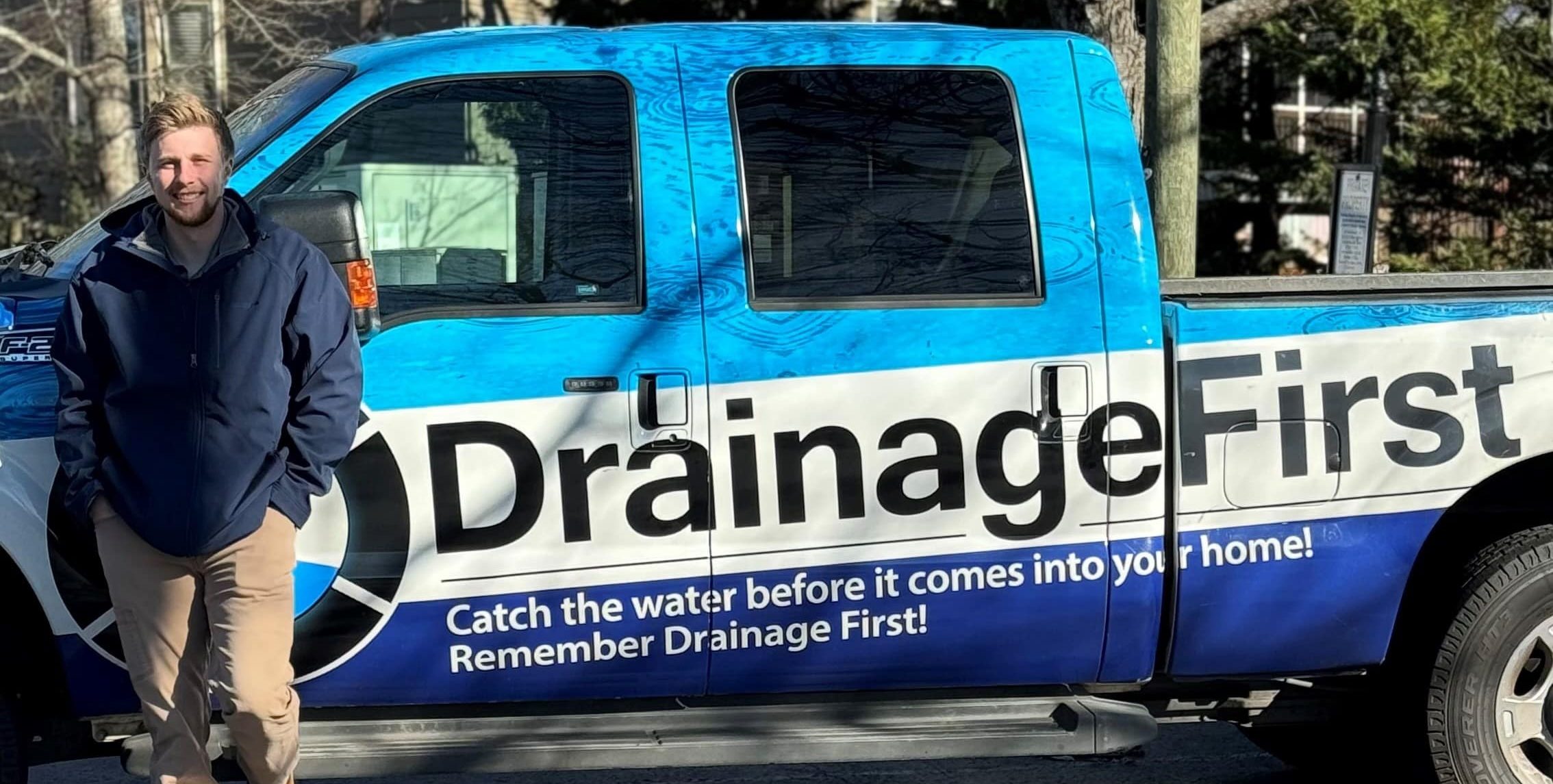
Drainage First – Catch the water before it comes in your room!
Introduction to Storm Drainage Solutions
Knowing about storm drainage solutions is key for homeowners. Good stormwater management keeps your property safe and sound. Without the right drainage, water damage and flooding can happen. Also, urban runoff can stress local water systems. A good stormwater management plan is vital to avoid flooding and water damage. It keeps your home safe and helps the environment. The benefits are many: Many homeowners don't see the need for good drainage until it's too late. Bad drainage can cause: Effective stormwater management starts with understanding key principles. Knowing how water flows and absorbs into the landscape is key to avoiding damage from heavy rain. Water flow principles are the foundation of good stormwater management. They help us see how rainwater moves over surfaces. This affects how quickly water is drained away. Important parts include: Mixing stormwater systems with landscape features boosts both function and beauty. By thinking about natural slopes, plants, and soil, we create a system that works well. Key methods include: Homeowners need to know about different storm drainage solutions to manage water. Each landscape is unique, so various methods are needed. Swales, rain gardens, and pervious paving are key options for handling water well. Swales are shallow, green channels that handle stormwater. They slow down water, soak it up, and help recharge groundwater. This reduces erosion. Rain gardens catch rainwater from hard surfaces. They let water soak in, filtering out pollutants. This makes them a great choice for managing water sustainably. Pervious paving lets water pass through, cutting down on runoff. It's good for driveways and paths. It keeps the area looking nice while managing water. Choosing the right storm drainage method depends on your landscape. Here's how they stack up:Importance of Effective Stormwater Management
Common Problems Caused by Poor Drainage
Understanding Stormwater Management Systems
Key Principles of Water Flow and Absorption
Integration with Landscape Features
Types of Storm Drainage Solutions
Swales, Rain Gardens, and Pervious Paving
Comparison of Effectiveness for Different Landscapes
Installing French Drains for Efficient Drainage
French drains are a great choice for homeowners who want to prevent indoor flooding. They keep water away from your home’s foundation. This helps avoid water damage and keeps your home dry.
How French Drains Work
French drains consist of perforated pipes placed in gravel-filled trenches. They capture groundwater and surface water, then redirect it away from your property. The main components include:
- Perforated pipe: Allows water to enter while preventing clogs.
- Gravel layer: Facilitates smooth water flow through the system.
- Trench: A properly sloped trench ensures water drains away efficiently.
French drains use gravity and smart design to manage excess water effectively, making them a reliable flood prevention method.
Maintenance and Longevity of French Drains
Maintaining your French drains is essential for long-term performance. Follow these steps:
- Regular inspections: Check for debris or sediment buildup that may restrict flow.
- Cleaning: Clear out leaves, dirt, or other blockages periodically.
- Performance checks: Observe how well the system drains water after rainfall.
With proper care, French drains can last for many years, providing lasting protection against water issues around your home.


The Role of Gutter and Downspout Systems
Gutter and downspout systems are key in managing roof runoff. They are made to move rainwater away from your home’s base. This helps avoid water pooling that can harm your home’s structure. It’s vital to install these systems correctly for your home’s health.
Benefits of Proper Gutter Installation
Quality gutter systems offer many benefits. Here are some:
- They stop foundation damage by moving water away from your home.
- They cut down soil erosion around your foundation.
- They lower the chance of mold and mildew, which love damp places.
- They make your property look better.
Utilizing Rain Barrels to Enhance Drainage
Using rain barrels in your drainage plan helps save water and supports rainwater use. By catching and storing rainwater from your gutters, you lessen runoff. You also get a green water source for your garden or lawn. This is good for the planet and your wallet, making it a smart choice for homeowners.
Conclusion: Building Sustainable Storm Drainage Systems
Effective storm drainage systems are essential infrastructure that protect our communities from flooding while preserving environmental health. As we face increasing urbanization and climate uncertainty, the importance of innovative, resilient approaches to stormwater management will only grow.
The most successful storm drainage solutions will balance traditional engineering with green infrastructure, leverage smart technologies for improved performance, and engage communities in both planning and maintenance. By viewing stormwater as a resource rather than a waste product, we can create systems that provide multiple benefits beyond flood control.
The future of storm drainage lies in integrated, adaptive approaches that work with natural processes rather than against them. By embracing these principles, we can build more resilient communities while protecting our valuable water resources for generations to come.
Frequently Asked Questions
Still have any questions? Call us today on 678-389-9544.
or email us on drainagefirst@gmail.com
What are storm drainage solutions?
Storm drainage solutions help manage rainwater to prevent flooding. They include French drains, gutter and downspout systems, and channel drains. These systems direct water away from homes, protecting them from water damage.
Why is effective stormwater management important?
Good stormwater management keeps your home safe and healthy. It stops water from gathering, protects your property, and lowers flood risks. This ensures your home lasts longer.
How do French drains work?
French drains use perforated pipes in gravel trenches. They catch groundwater and surface water, moving it away from your home’s foundation. This improves drainage and lowers flood risks.
What is the benefit of installing gutter and downspout systems?
Gutter and downspout systems direct roof runoff away from your home. This stops water from pooling around the foundation. It helps prevent structural damage and reduces flood risks.
Can channel drains help with flooding issues?
Yes, channel drains manage water runoff quickly. They’re great for patios and driveways. They help prevent water from gathering in high-traffic areas.
What innovative drainage solutions are available?
New solutions include green roofs and automated sump pump systems. Green roofs absorb stormwater, and sump pumps control basement moisture. Both prevent flooding in basements and lower areas.
What are the common problems caused by poor drainage?
Poor drainage causes water pooling, basement flooding, and structural damage. It also leads to mold, erosion, and dangerous conditions. These problems can harm your property and health.