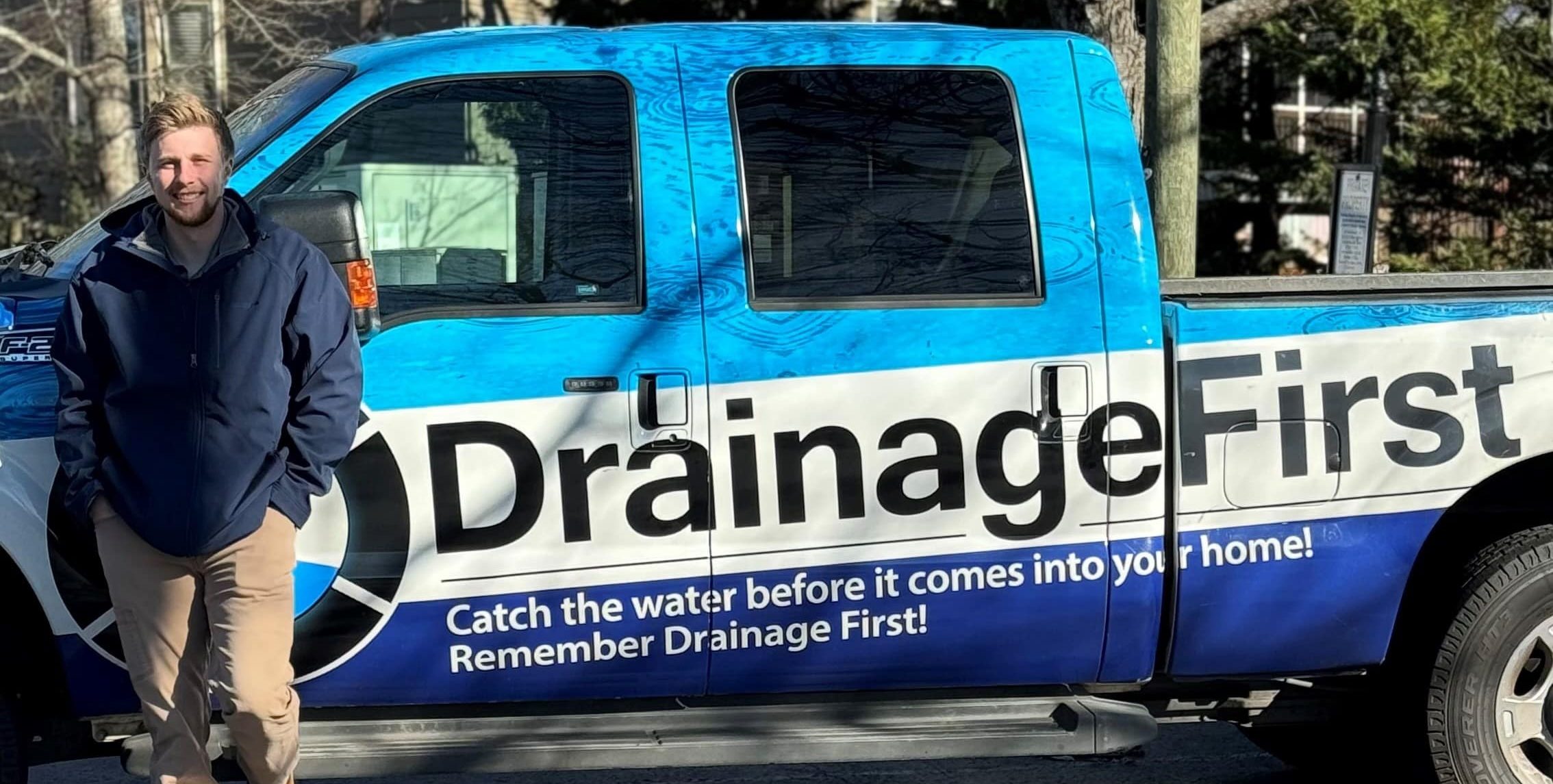
Expert Foundation Repair Services in Atlanta GA
#1 Foundation Repair Services
Expert Solutions tailored to your needs.
Ever thought about what's under your home and if your foundation is okay? In Atlanta, knowing about foundation repair is key to keeping your home strong. At Drainage First, we tackle foundation problems caused by Atlanta's clay soil. We make sure your basement stays dry and your home stays safe for your family.
Your home's foundation is its literal and figurative bedrock. When foundation problems arise, they threaten not just your property's value but your family's safety. This comprehensive guide explains everything homeowners need to know about foundation repair – from identifying early warning signs to understanding repair methods and costs.
Foundations are to houses what skeletons are to bodies – the essential structure that supports everything else. When that structure weakens, the entire home becomes vulnerable. The good news? Most foundation issues can be successfully repaired when caught early.
Key Takeaways
- Understanding foundation repair is essential for homeowners.
- Water damage can severely impact your home's foundation stability.
- Foundation settlement issues are common in Atlanta due to unique soil conditions.
- Prioritizing basement waterproofing protects your structure from moisture-related damage.
- Expert solutions can lead to long-lasting structural integrity.
- Proactive maintenance and repairs can save money in the long run.
Share:
Serving Metro Atlanta and Surrounding Areas
Get Started Today with our Foundation Crack Repair Service
Have Foundation Crack concerns? Contact us now for a free consultation and let’s find the right solution for your home.
Drainage First – Catch the water before it comes in your room!
Understanding Foundation Problems in Atlanta
In Atlanta, many homeowners deal with foundation issues. These problems come from the local environment and building design. Knowing about these factors is key to keeping your foundation strong.
Common Causes of Foundation Damage
Several things can cause foundation problems, including:
Soil Related Issues
The soil beneath your home plays a crucial role in foundation stability. Clay soils expand when wet and shrink when dry, creating movement that stresses foundations. Sandy soils may wash away, while improperly compacted fill soil can settle unevenly.
- Expansive clay soils
- Poor soil compaction
- Erosion of supporting soil
- Natural soil settlement
Water Damage
Water is the number one enemy of foundations. Too much moisture causes soil expansion and hydrostatic pressure against foundation walls. Too little moisture leads to soil shrinkage and foundation settlement. Proper drainage is essential.
- Poor drainage around foundation
- Plumbing leaks beneath the slab
- Improper gutter systems
- Flooding or excessive rainfall
Construction Factors
Even the best-designed homes can develop foundation problems if construction practices were subpar. Foundations need proper engineering for local soil conditions and climate factors.
- Inadequate foundation design
- Poor construction practices
- Insufficient steel reinforcement
- Premature concrete curing
Did you know? Most foundation problems develop gradually over years, not overnight. Early intervention can prevent minor issues from becoming major structural problems.
Signs You Need Foundation Repair
As a homeowner, spotting early signs of foundation trouble is key. Cracks, uneven floors, and doors that don’t align right are big red flags. Catching these issues early can save you from expensive fixes down the line. Regular checks can catch problems before they get worse.
Identifying Foundation Settlement Issues
Foundation settlement can show up in different ways. Be on the lookout for:
- Cracks in walls, especially near windows and doors
- Sloping or uneven floors
- Sticking doors or doors that won’t close properly
These signs often indicate serious foundation issues that require immediate attention. Ignoring them could lead to costly structural damage.
Common Foundation Cracks to Look For
It's important to tell cosmetic cracks from structural ones. Look for:
- Vertical cracks – These might be minor but are still worth checking.
- Diagonal cracks – Often more serious and can indicate major settlement issues.
- Horizontal cracks – Usually a sign of significant structural damage.
Monitoring these types of cracks regularly is a key part of maintaining foundation health.
What is Foundation Repair?
Foundation repair is key to keeping your home safe and stable. It’s important to know the different methods to protect your home’s structure. Let’s explore some common techniques used in the field.
Other Warning Signs of Structural Damage
There are more signs of structural trouble than just cracks. Watch for:
- Cracks in exterior brick or siding
- Gaps around window frames or baseboards
- More moisture in the basement or crawl spaces
These signs point to serious foundation problems. They need a pro to fix to keep your home safe and stable.
A Comprehensive Overview of Repair Methods
There are many foundation repair methods for different problems:
- Underpinning: This method deepens the foundation for better stability.
- Slabjacking: It involves injecting grout under slabs to level and raise the foundation.
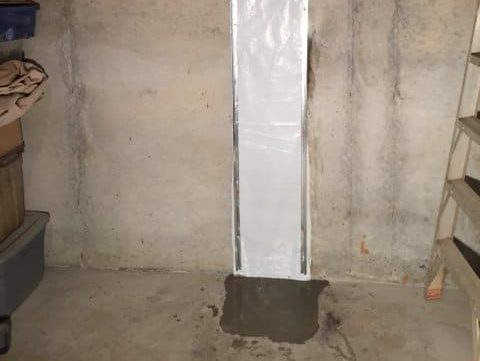
- Drainage Solutions: These systems help move water away from the foundation to prevent moisture damage.
- Wall Anchors: They provide extra support for bowing walls.
5 Main Foundation Repair Methods
-
Foundation Piering
Piering involves installing support systems beneath your foundation to transfer the weight to more stable soil or bedrock. This method is ideal for foundations experiencing settlement or sinking.
Types of Piers:
- Steel Push Piers – Driven deep into stable soil layers
- Helical Piers – Screwed into the ground for immediate support
- Concrete Piers – Poured columns that support the foundation
Piering not only stabilizes your foundation but can often lift it back to its original position, closing cracks and realigning doors and windows.
-
Slabjacking (Mudjacking or Foam Lifting)
Slabjacking raises concrete slabs by pumping material underneath to fill voids and lift the concrete. This method works well for sunken concrete slabs, patios, sidewalks, and some types of foundations.
Two main approaches:
- Traditional Mudjacking – Uses a cement slurry mixture
- Polyurethane Foam Injection – Uses expanding foam (faster, cleaner)
This less-invasive approach is ideal for concrete slabs that have settled but aren't severely damaged.
-
Foundation Waterproofing
Since water is a primary cause of foundation damage, waterproofing is both a repair and preventive measure. A comprehensive waterproofing system protects your foundation from moisture intrusion.
Components include:
- Exterior drainage systems
- Interior drainage channels
- Sump pump installation
- Waterproof membranes and coatings
- Proper grading and gutter extensions
Effective waterproofing addresses the root cause of many foundation problems, preventing future damage.
-
Wall Stabilization
For bowing, leaning, or cracking foundation walls, stabilization techniques prevent further movement and strengthen the existing structure.
Common methods include:
- Carbon Fiber Straps - Reinforces walls without excavation
- Wall Anchors - Counteracts soil pressure with exterior anchors
- Steel Braces - Provides structural support for severely damaged walls
These solutions are particularly important for basement walls experiencing hydrostatic pressure from surrounding soil.
-
Soil Stabilization
This method addresses the root cause of many foundation problems by improving the soil that supports your foundation.
Techniques include:
- Chemical Grouting - Injecting materials that solidify loose soil
- Compaction Grouting - Filling voids with pressurized grout
- Root Barriers - Preventing tree roots from affecting soil moisture
Soil stabilization is often used in conjunction with other repair methods for a comprehensive solution.
The Drainage First Difference
At Drainage First, we pride ourselves on being different in the foundation repair world. We ensure every project is top-notch through owner-supervised repairs. We keep you in the loop every step of the way, building trust and openness. We start with drainage solutions first. This often means saving you money by avoiding more expensive fixes inside your home.
Why Choose Drainage First for Your Foundation Repair in Atlanta
Your Expert Foundation Professionals
Our team knows a lot about fixing foundations. We tackle each problem with a plan that fits your needs. We give every project the care it needs for the best results.Experience and Proven Track Record
We've been serving Atlanta for years, with a track record to prove it. We've fixed many foundation problems, earning our customers' trust. Our commitment to quality makes us leaders in the field.
Owner-Supervised Repairs for Quality Assurance
Every repair job I oversee includes:
- Personal attention to detail
- Direct communication with clients
- Quality checks throughout the repair process
Cost-Effective Solutions for Your Foundation Needs
Our method focuses on saving you money. We do this by:- First, checking your drainage to find problems
- Then, fixing drainage to stop future issues
- And avoiding expensive repairs later on
Maintenance Tips Post-Foundation Repair
Keeping your foundation in good shape after repair is key for lasting stability. Using the right maintenance tips can greatly help your home’s health, which is very important in Atlanta due to moisture issues. Here are some effective ways to keep your foundation in top shape.
Keeping Water Away from Your Home
Managing water is critical to protect your foundation. To reduce water damage risks, consider these steps:
- Make sure gutters and downspouts work well and water flows at least 10 feet away from your foundation.
- Grade the soil around your home to help water drain away from the foundation.
- Install a French drain or a sump pump to handle too much water in your yard.
- Regularly check and care for your landscaping to avoid soil erosion near your foundation.
Regular Inspections to Prevent Future Issues
Regular checks are key to spotting problems early. Here’s what I suggest:
- Do bi-annual foundation inspections to look for new cracks or settling signs.
- Check for moisture in crawl spaces or basements and fix any drainage issues.
- Watch for pest signs, which can mean there’s moisture problems.
- Keep an eye on any changes in your home’s structure, like doors or windows that
Conclusion
Fixing foundation problems quickly is key to keeping your home strong. Homeowners in Atlanta face special challenges. Being quick to address these issues can save you a lot of trouble and money later.
At Drainage First, we’re experts in fixing foundation problems. We make sure your home is safe and sound. Our team knows how to handle different soil and foundation issues, making sure we fix your problem right.
If you’re in Atlanta and have foundation worries, we’re here for you. Whether it’s small cracks or big settlement problems, we can help. Call us at
(678) 389-9544 to start protecting your home’s future.
Frequently Asked Questions
Still have any questions? Call us today on 678-389-9544.
or email us on drainagefirst@gmail.com
What are the common signs that indicate I need foundation repair?
How can I tell if foundation cracks are structural or cosmetic?
What foundation repair methods does Drainage First use?
Why is basement waterproofing necessary?
How do I prepare for a foundation inspection?
How long does foundation repair take?
Repair time varies based on the problem’s severity and repair method. Most repairs take a few days. But, it depends on your specific situation.
What maintenance should I do after foundation repair?
Keep your foundation in good shape by ensuring proper drainage. Use gutters and downspouts and check for settlement or water damage regularly.
What should I expect from Drainage First's services?
Expect a customized approach with my direct involvement. We focus on clear communication, thorough assessments, and quality work. We aim to restore your foundation securely.
Can foundation problems affect home value?
Yes, foundation issues can lower your home’s value. Fixing these problems quickly keeps your home safe and preserves its value.