Answers You Can Trust, When You Need Them Most
Frequently Asked Questions
General FAQs
What makes Drainage First different from large waterproofing companies?
Unlike big waterproofing firms that push costly interior drainage systems, we focus on cost-effective, exterior solutions that stop water before it enters your home.
Do you offer free consultations or estimates?
Yes, we provide free consultations and a detailed written estimate on the spot after assessing your drainage or leak issue.
How quickly can you respond to a drainage issue?
Our typical response time is less than 24 hours, and we aim to schedule and complete your project faster than larger companies.
What types of drainage problems do you solve?
We handle basement leaks, crawl space drainage, storm water runoff, standing water in yards, and grading issues caused by poor builder practices.
Do you use heavy equipment for installations?
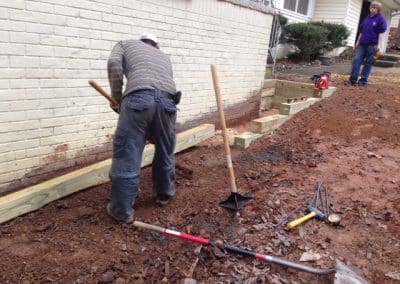
No. We specialize in hand-dug installations, ensuring minimal disruption to your yard and careful, precise work.

Foundation Repair Services FAQs
What are the common signs that indicate I need foundation repair?
How can I tell if foundation cracks are structural or cosmetic?
What foundation repair methods does Drainage First use?
Why is basement waterproofing necessary?
How do I prepare for a foundation inspection?
How long does foundation repair take?
Repair time varies based on the problem’s severity and repair method. Most repairs take a few days. But, it depends on your specific situation.
What maintenance should I do after foundation repair?
Keep your foundation in good shape by ensuring proper drainage. Use gutters and downspouts and check for settlement or water damage regularly.
What should I expect from Drainage First's services?
Expect a customized approach with my direct involvement. We focus on clear communication, thorough assessments, and quality work. We aim to restore your foundation securely.
Can foundation problems affect home value?
- Yes, foundation issues can lower your home’s value. Fixing these problems quickly keeps your home safe and preserves its value.

Basement Leak Repair Services FAQs
What should I do if I notice a basement leak?
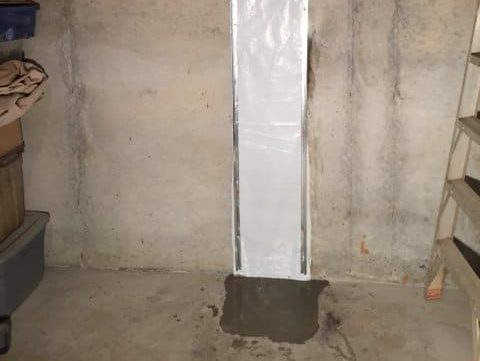
Seeing signs of a basement leak, like damp walls or mold, means you need to act fast. Reach out to our leak repair experts at Drainage First for a detailed check and custom solutions.
How can I prevent basement leaks from happening?
To stop basement leaks, start with proper grading and keep gutters and downspouts in good shape. Also, think about exterior waterproofing solutions. Our team can guide you on the best steps for your home.
What are the benefits of basement waterproofing?
Basement waterproofing protects your home from water damage. It also makes your basement more useful, improves your health, and boosts your home’s value.
How does Drainage First approach basement leak repair?
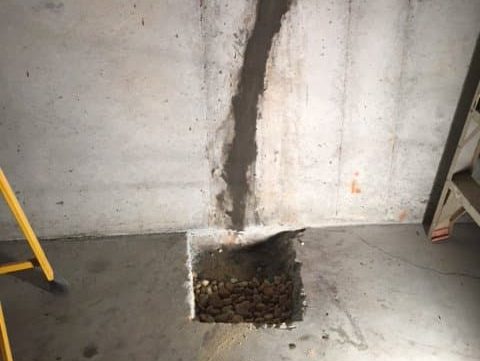
We find the source of leaks with detailed checks. Our fixes, like sealing cracks and installing drainage systems, are made just for you.
What are the signs that I may need foundation waterproofing?
Watch for damp walls, musty smells, standing water, and mold. If you see these signs, call us for quick solutions to control moisture.
Does basement waterproofing come with a warranty?
Yes, our services usually come with warranties. This means you can trust our solutions to protect your home for a long time.
What is the difference between interior and exterior waterproofing?
Interior waterproofing uses sump pumps and drainage systems to handle water inside. Exterior waterproofing stops water from reaching your foundation, often by digging and applying waterproof membranes.
Can you help with sump pump installation?
Absolutely, we install sump pumps as part of our moisture control plans. A good sump pump keeps your basement dry and prevents flooding.
How do I choose the right basement repair service?
Look for a company with experience, read reviews, and check for clear prices and warranties. Drainage First values honesty and expertise.
What other services do you offer related to basement drainage?
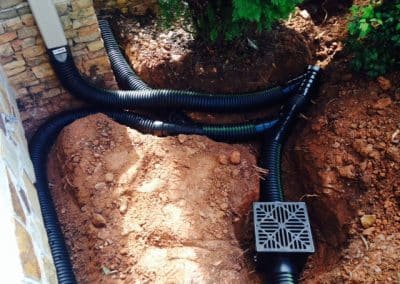
We also do French drain installation, catch basin services, and downspout drainage. These help keep water away from your foundation.

Basement Waterproofing Solutions FAQs
Can I waterproof my basement myself?
Yes, you can tackle certain aspects of basement waterproofing yourself, particularly for minor issues. DIY-friendly projects include applying interior sealants, installing proper gutter extensions, improving landscape grading, and sealing small cracks. However, more complex issues like installing interior drainage systems, exterior waterproofing, or addressing structural problems typically require professional expertise and equipment for lasting results.
How long does basement waterproofing last?
The longevity of basement waterproofing depends on the methods used and quality of installation. Interior sealants typically last 2-5 years, while properly installed interior drainage systems can last 15-20+ years. Exterior waterproofing membranes often last 20-30+ years. Regular maintenance significantly extends the life of any waterproofing system. The most durable solutions combine multiple approaches for redundant protection.
What's the difference between waterproofing and dampproofing?
Dampproofing is a minimal treatment that resists soil moisture but not liquid water under pressure. It’s typically a thin coating applied to exterior foundation walls during construction. Waterproofing is a more robust system designed to resist water under pressure and typically involves membranes, drainage components, and water management systems. Most homes with basement moisture issues require true waterproofing rather than simple dampproofing.
Is basement waterproofing worth the investment?
Yes, basement waterproofing is typically an excellent investment. Beyond preventing costly water damage repairs (which can run $10,000+), it protects your home’s structural integrity, improves indoor air quality, prevents mold growth, increases usable living space, and enhances property value. Most homeowners see a return on investment of 30-50% when selling their home, plus the ongoing benefits of a dry, healthy basement.
Should I waterproof my basement from the inside or outside?
The ideal approach often combines both methods. Exterior waterproofing prevents water from reaching your foundation and is most effective when done during construction or when landscape access is easy. Interior waterproofing manages water that penetrates the foundation and is less disruptive to implement in existing homes. For comprehensive protection, many professionals recommend interior drainage systems combined with exterior drainage improvements and foundation wall protection.
How do I choose the right waterproofing method for my basement?
What are the common causes of basement water damage?
How much does basement waterproofing typically cost?
Catch Basins Installation FAQs
What is a catch basin and what does it do?
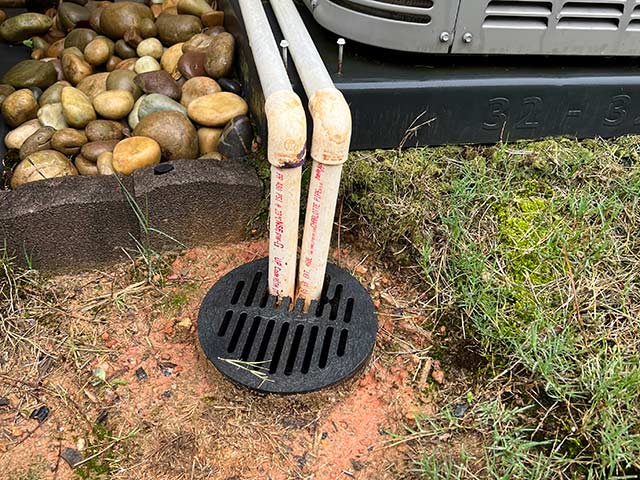
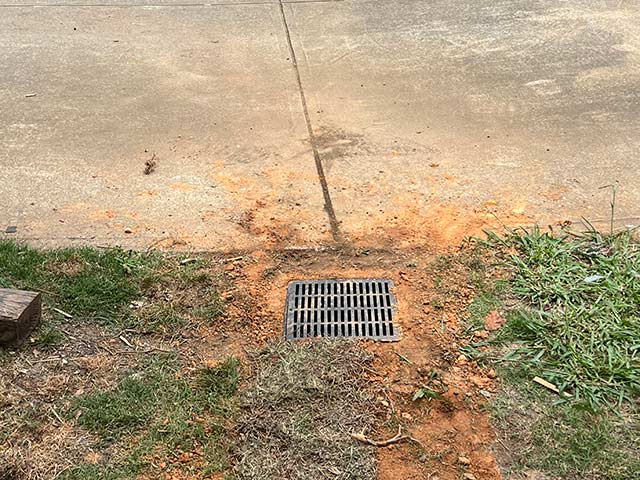
A catch basin is a type of storm drain inlet designed to collect and manage stormwater runoff. It helps prevent water from pooling or flooding around your property by directing excess water into the larger underground drainage system. Catch basins play a key role in protecting landscapes, foundations, and driveways from water damage.
How do I know if my property needs a catch basin?
If you notice flooding or water pooling in your yard or around your home, a catch basin may be the solution. It effectively manages stormwater runoff and helps protect your property from water damage.
What Types of Catch Basins Are Available?
There are two primary types of catch basins:
Curb Inlet Catch Basins – Positioned along the curb, they collect runoff from streets and driveways.
Sump Catch Basins – Designed with a lower chamber to trap debris and sediment, preventing clogging in the drainage system.
Both types play an important role in managing stormwater and protecting your property from flooding.
How Often Should I Maintain My Catch Basin?
You should clean your catch basin at least twice a year—typically in the spring and fall. If your property collects a lot of debris, leaves, or sediment, more frequent maintenance is recommended. Regular cleaning ensures the basin functions properly and prevents flooding or drainage issues.
What Are the Signs of a Clogged Catch Basin?
Common signs of a clogged catch basin include:
Slow drainage after rainfall
Visible debris like leaves or sediment blocking the grate
Standing or pooling water around the basin area
Unpleasant odors from trapped organic material
Routine inspections can help identify clogs early and prevent flooding or water damage.
How Do Catch Basins Contribute to Water Quality?
Catch basins help improve water quality by trapping sediments, debris, and pollutants before stormwater enters the main drainage system. By filtering out these contaminants, catch basins reduce environmental pollution and protect local waterways from harmful runoff.
What Materials Are Catch Basins Made From?
Catch basins are typically made from durable materials like HDPE (High-Density Polyethylene), polypropylene, or concrete. These materials are designed to withstand harsh weather conditions, heavy loads, and long-term wear, making them ideal for both residential and commercial stormwater management systems.
How Can I Ensure My Catch Basin Functions Effectively?
To keep your catch basin working properly, make sure it’s installed correctly and receives regular maintenance. Clean it at least twice a year (or more if debris builds up quickly), and address any blockages or structural issues promptly. Proper upkeep helps prevent flooding and improves water drainage efficiency.

French Drain Installation FAQs
What is a French drain and why is it important for my home?
Installing a French drain helps your yard drain better. It keeps your lawn dry and prevents flooding. It also keeps the soil healthy.
How does the installation of a French drain benefit my yard's drainage?
A French drain is a trench filled with gravel and a perforated pipe. It directs water away from your home’s foundation. This keeps your property safe from water damage.
What are the typical costs associated with installing a French drain?
The cost of a French drain is about $20 to $30 per foot. This includes the pipe, gravel, and labor. It’s a smart investment to avoid expensive water damage repairs.
Can I install a French drain myself, or should I hire a professional?
DIY installation can save money, but it needs careful planning. A professional ensures a well-working system and peace of mind.
How can I maintain my French drain to ensure it operates effectively?
To keep your French drain functioning properly, perform regular maintenance. Check for debris like leaves or sediment, especially around inlet grates and outlet points. Remove any obstructions to maintain smooth water flow. It’s also helpful to flush the system occasionally with a garden hose to prevent buildup. Consistent upkeep ensures long-term performance and helps avoid costly water issues.
What design considerations should I keep in mind for my French drain installation?
When planning a French drain, start by identifying where water tends to collect on your property. Ensure the trench has a proper slope—typically at least 1%—to allow water to flow efficiently. The depth should generally range from 8 inches to 2 feet, depending on the severity of the drainage issue. Also, size the width of the trench appropriately based on how much water you need to redirect. These factors help ensure your French drain system performs effectively and protects your property.
What materials are typically used in French drain systems?
Common materials used in French drain systems include plastic pipes such as corrugated or PVC, and washed gravel or crushed stone. For improved drainage and easier installation, some systems use prefabricated aggregate systems like EZflow.
How does a French drain enhance my property's value?
A well-drained yard prevents water damage and adds value. It makes your property more attractive to buyers and improves your outdoor space.

Crawl Space encapsulation FAQs
What is crawl space encapsulation?
Crawl space encapsulation seals your crawl space with a vapor barrier and other materials. This stops moisture, mold, and pests. It makes your air cleaner and saves energy.
How does encapsulation help with mold prevention?
Encapsulation keeps moisture out, which stops mold and mildew. This reduces health risks and protects your home’s structure.
What are the benefits of crawl space sealing?
Sealing improves air quality by cutting down pollutants and humidity. It also saves energy, lowering your bills for heating and cooling.
What types of vapor barriers are commonly used in encapsulation?
Polyethylene sheets and reinforced liners are common. They block moisture and make encapsulation more effective.
What should I look for in a waterproofing service provider?
Choose a trusted provider like Drainage First. They should have a good reputation, know their stuff, and care about your satisfaction. Check out reviews to be sure.
How can I identify signs of excess moisture in my crawl space?
Look for musty smells, high humidity, mold, water stains, or condensation on pipes. Catching these signs early can help prevent serious problems.
What role does crawl space insulation play in energy efficiency?
Crawl space insulation helps maintain a consistent indoor temperature by reducing heat loss in winter and heat gain in summer. This improves energy efficiency, lowers utility bills, and makes your home more comfortable.
What long-term maintenance tips can I follow for my crawl space?
Regularly inspect the crawl space for moisture or damage, ensure proper drainage around your home, and maintain your vapor barriers. Address any issues promptly to prevent costly repairs and keep the space dry and healthy.
How does Drainage First ensure effective encapsulation?
At Drainage First, we customize each encapsulation project to fit the specific needs of your crawl space. Our experienced team uses high-quality materials and proven techniques to control moisture, prevent mold, and ensure long-term protection and performance.

Storm Drainage Solutions FAQs
What are storm drainage solutions?
Storm drainage solutions help manage rainwater to prevent flooding. They include French drains, gutter and downspout systems, and channel drains. These systems direct water away from homes, protecting them from water damage.
Why is effective stormwater management important?
Good stormwater management keeps your home safe and healthy. It stops water from gathering, protects your property, and lowers flood risks. This ensures your home lasts longer.
How do French drains work?
French drains use perforated pipes in gravel trenches. They catch groundwater and surface water, moving it away from your home’s foundation. This improves drainage and lowers flood risks.
What is the benefit of installing gutter and downspout systems?
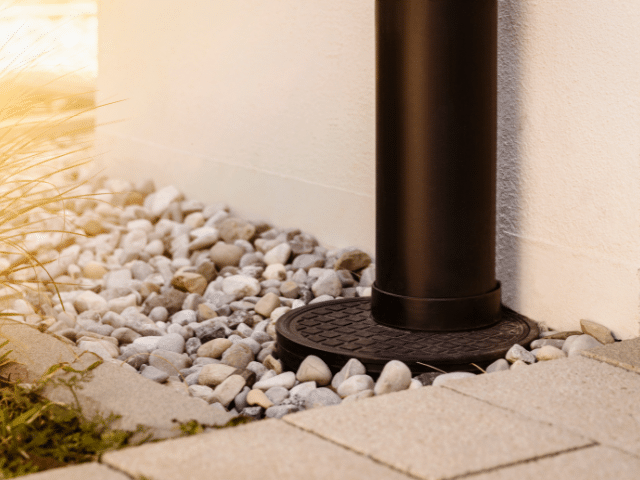
Gutter and downspout systems direct roof runoff away from your home. This stops water from pooling around the foundation. It helps prevent structural damage and reduces flood risks.
Can channel drains help with flooding issues?
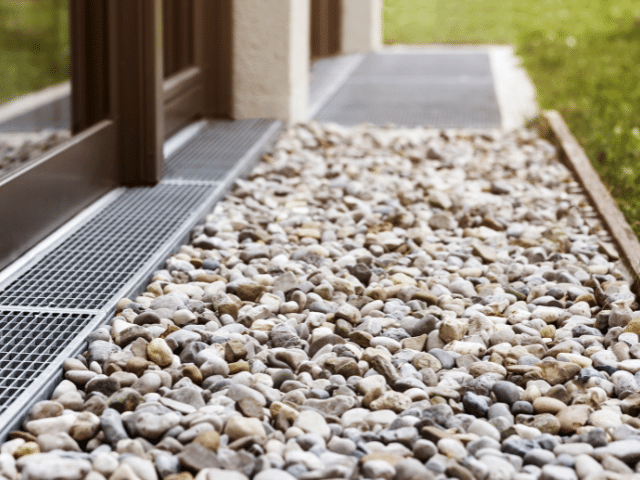
Yes, channel drains manage water runoff quickly. They’re great for patios and driveways. They help prevent water from gathering in high-traffic areas.
What innovative drainage solutions are available?
New solutions include green roofs and automated sump pump systems. Green roofs absorb stormwater, and sump pumps control basement moisture. Both prevent flooding in basements and lower areas.
What are the common problems caused by poor drainage?
Poor drainage causes water pooling, basement flooding, and structural damage. It also leads to mold, erosion, and dangerous conditions. These problems can harm your property and health.


Camera Drainage Pipes FAQs
What is a drain camera inspection and why should I schedule one?
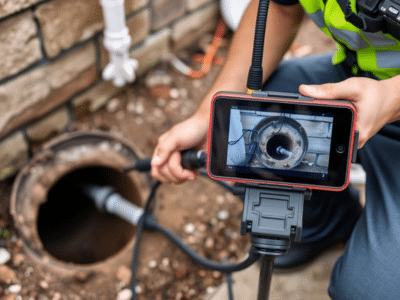
A drain camera inspection uses a waterproof inspection system with a small sonde-equipped camera head on a cable reel to send HD video of your pipes. I use it to pinpoint blockages, cracks, roots, and collapsed lines so we can recommend targeted, cost-effective fixes like French drains or catch basins instead of expensive interior work.
How do portable inspection cameras compare to wheeled camera systems?
Portable models are lighter and ideal for tight access and short runs around a home. Wheeled systems are built for longer runs and larger lines; they push farther and handle rougher conditions. I choose the tool based on pipe size and the job—portable for gutters and small lines, wheeled for storm drains and long sewer runs.
What cable length do I need—100 ft, 200 ft, or up to 400 ft reels?
For most residential work in the Atlanta area, 100–200 ft is sufficient. For commercial lines or deep storm drains we use 300–400 ft reels. I always match cable length to the line to avoid extra excavation and to ensure full inspection coverage.
What camera head features matter most?
Look for IP68 waterproof ratings, self-leveling or 360° rotating heads, and bright LED lighting. These features produce clear footage in wet, muddy conditions and help us read pipe orientation and defects accurately for reliable solutions.
Do you record the inspection and provide video or photos?
Yes. I record HD video and take snapshots. We include on-screen meter counters so you know the precise depth and distance to the issue. Recorded footage helps you see the problem and supports targeted repairs.
How does the sonde/transmitter and locator work with inspections?
The camera carries a 512 Hz sonde (transmitter) that a compatible locator picks up above ground. This lets me trace the exact path and depth of the line so we find the spot to dig or install a repair with minimal disruption.
How long does a typical inspection take and what should I expect?
Most residential inspections take 30–90 minutes. I’ll run a video pass, locate any trouble with the transmitter, and discuss findings on-site. If fixes are needed, I’ll explain options and costs during the visit.
Are these cameras durable and what about battery life and warranty?
Professional systems are rugged, designed for years of service, and have strong battery life for day-long jobs. I use equipment from trusted manufacturers and stand behind our work—warranty terms vary by model, and I’ll explain coverage before we start.
Can an inspection detect all problems like leaks and root intrusion?
Most visible issues—blockages, roots, cracks, and collapsed sections—are detectable on video. Pinpointing small leaks may sometimes require supplemental tests, but the camera often narrows the search so repairs are faster and cheaper.
How do you use inspection findings to choose a repair solution?
I prioritize minimal, common-sense solutions. If the video shows surface-level grading or downspout issues, we fix drainage paths. For damaged pipes we recommend targeted repairs, spot replacement, or rerouting with French drains and catch basins when appropriate. Our goal is effective, cost-conscious results.
Do you offer owner-led estimates and supervised crews?
Yes. I provide owner-led estimates and supervise every crew. With 20+ years of camera-based inspections, I ensure the recommended solution fits your property and budget and that the work follows the plan we agreed on.
How quickly can you come out in the Atlanta area and what are the costs?
I schedule most local jobs within a few days, sometimes same-week. Cost depends on line length and complexity—inspections are competitively priced and often save homeowners money by avoiding unnecessary excavation. Call (678) 389-9544 for a quote.