Catch Basin Essentials
Catch Basin Essentials for Efficient Drainage Solutions in Atlanta GA
Catch Basin Systems: Effective Water Management
Ever wondered why some places stay dry while others flood? It's often because of a catch basin. These are key in keeping water away from homes. Let's explore how catch basins work, how to install them, and how to keep them running well. This will help homeowners in Atlanta make smart choices about their drainage needs with our help at Drainage First.
Key Takeaways
- Understanding the role of catch basins is critical for effective drainage solutions.
- Quality design and installation of stormwater catch basins can prevent costly water damage.
- Regular catch basin maintenance ensures optimal performance and longevity.
- There are various types of catch basins tailored to specific drainage needs.
- Professional guidance can simplify the catch basin installation process.
Share:
Serving Metro Atlanta and Surrounding Areas
Get Started Today with our Catch Basins Installation Service
Concerned about water pooling or drainage issues? Contact us now for a free consultation and let’s find the right solution for your home.
Drainage First – Catch the water before it comes in your room!
What Is a Catch Basin and How Does It Work?
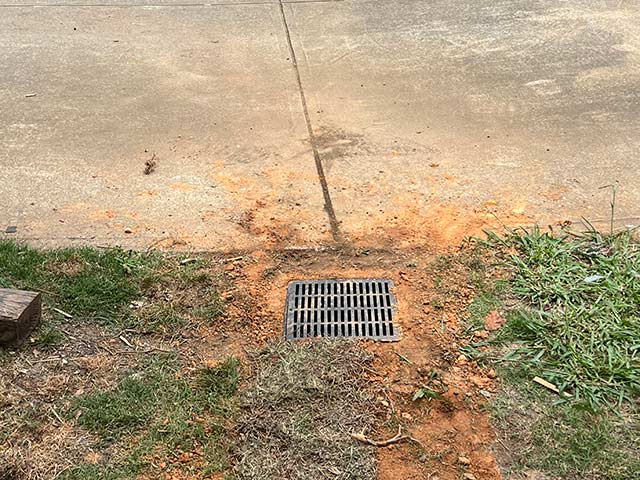
A catch basin is an underground drainage structure designed to collect and redirect surface water. It consists of a basin with a grate on top that captures water runoff and channels it into a drainage system. Think of it as the first line of defense in preventing water damage to your property.
Catch basins work by creating a collection point for water to enter before being directed away through connected drainage pipes. The basin itself often includes a sump area that traps sediment, debris, and pollutants, preventing them from entering the drainage system.
When properly installed, a catch basin system effectively manages water from:
- Downspouts and roof runoff
- Driveways and paved surfaces
- Low spots in yards and landscapes
- Areas prone to erosion or flooding
Types of Catch Basins for Different Applications
Not all catch basins are created equal. Different situations call for specific types of catch basins to effectively manage water. Understanding the options will help you choose the right solution for your property.
Stormwater Catch Basins
Stormwater catch basins are designed to manage large volumes of rainwater runoff during storms. They feature larger capacity and heavier grates to withstand vehicular traffic, making them ideal for driveways, parking areas, and roadways.
- Heavy-duty construction
- Larger capacity for high water volume
- Often includes debris filters
Landscape Catch Basins
Landscape catch basins are designed for residential yards and gardens. These basins are typically smaller and feature aesthetically pleasing grates that blend seamlessly with landscaping. They are ideal for managing water in garden areas.
- Decorative grate options
- Smaller footprint
- Easily concealed in landscaping
Downspout Catch Basins
Downspout catch basins are specifically designed to collect water from roof downspouts. They connect directly to your gutter system, preventing erosion around your foundation by directing water away from the house.
- Direct connection to downspouts
- Prevents foundation erosion
- Often includes leaf filters
Catch Basin Installation: A Step-by-Step Guide
Installing a Catch Basin
Installing a catch basin is essential for managing water flow and protecting your property. With a clear plan, the process is straightforward, whether you’re tackling it yourself or hiring a professional.
- Site Preparation: Identify the optimal location for your catch basin, ensuring it meets your drainage needs and has the proper slope for effective water flow.
- Excavation: Dig a hole large enough to accommodate the catch basin, ensuring sufficient depth for secure connections to your drainage system.
- Inlet Pipe Attachment: Securely attach the inlet pipe to the catch basin, a critical step for directing water into the drainage system.
- Backfilling: Carefully fill the surrounding area with soil to stabilize the catch basin and ensure proper drainage.
While DIY installation is feasible for those with experience, hiring professionals like Drainage First often yields superior results. With over 20 years of expertise, we focus on precision to enhance your drainage system, addressing issues effectively and minimizing the risk of errors.
Catch Basin Maintenance Practices
Keeping your catch basins in good condition is essential for a functional drainage system. Regular maintenance ensures smooth operation, prevents costly repairs, and extends the lifespan of your drainage system.
Cleaning Frequency and Method
Cleaning your catch basins at least twice a year is recommended, with more frequent cleaning in areas prone to heavy debris. Effective cleaning methods include:
- Removing leaves, grass, and debris by hand or with a rake.
- Using a wet vacuum or pressure washer for thorough cleaning.
- Clearing sediment buildup to prevent clogs.
Regular cleaning prevents blockages and maintains optimal drainage performance.
Inspection for Damage
Routine inspections are crucial for catch basin maintenance, helping to identify damage early and avoid larger issues. During inspections, check for:
- Cracks or signs of wear in the basin structure.
- Assessing drainage effectiveness by monitoring water flow.
- Identifying unusual odors that may indicate underlying issues.
Regular inspections help detect problems early, ensuring your drainage system operates at its best.
Common Issues with Catch Basins
Catch basins can encounter several common problems, with clogging due to debris and sediment being a primary concern. This blockage can significantly reduce water flow, leading to drainage issues. Homeowners should stay vigilant to ensure their systems function effectively.
Clogging and Maintenance Issues
Addressing clogging and maintenance challenges proactively is essential for extending the lifespan of catch basins. Key considerations include:
- Regularly checking for debris buildup to prevent major blockages.
- Inspecting for signs of damage that may indicate improper installation.
- Monitoring weather impacts that could complicate maintenance.
- Establishing a cleaning schedule tailored to your area and usage.
Proactive maintenance enhances drainage system efficiency and prevents long-term performance issues with catch basins.
Benefits of Professional Catch Basin Installation
Opting for professional installation by experts like Drainage First provides significant advantages. Their focus on proper grading and placement ensures catch basins integrate seamlessly with your property’s water flow, resulting in superior drainage.
Expertise in Proper Grading and Placement
Professional installation is critical for optimal catch basin performance. Key benefits include:
- Optimal grading directs water away from your home, reducing damage risks.
- Strategic placement enhances drainage efficiency, minimizing pooling and flooding.
- Expert knowledge delivers cost-effective solutions, reducing future repair costs.
- Comprehensive installation ensures a durable, high-performing drainage system.
Professional installation maximizes catch basin performance and protects your home investment. With expert grading and placement, your property will manage water effectively, providing peace of mind.
Understanding Catch Basin Costs
When considering catch basin costs, multiple factors influence the final price. Understanding these elements is crucial for homeowners seeking effective drainage solutions. At Drainage First, we strive to provide affordable, long-lasting solutions.
Factors Influencing Costs
Several factors can impact the cost of a catch basin, including:
- Type of catch basin selected
- Complexity of installation required
- Local soil conditions affecting the installation process
- Accessibility of the site for service equipment
Cost-Effective Solutions
We are committed to delivering affordable drainage solutions without compromising quality. By carefully assessing each project’s specific needs, we help clients make informed choices. This approach ensures durable, high-performing systems that save homeowners money over time.
Conclusion
Catch basins are key for good stormwater management and better drainage at home. By picking the right catch basin solutions, homeowners can handle more water. This reduces the chance of flooding and water damage.
Getting professional help for installation and upkeep is essential for lasting results. At Drainage First, we stress the need for regular checks and cleanings. This keeps these systems working well. Our goal is to offer affordable drainage solutions that help homeowners manage water effectively and build trust.
Planning and using catch basins wisely helps with immediate drainage needs and makes your property stronger for the future. Choosing the right solutions now sets you up for success later.
Frequently Asked Questions
Still have any questions? Call us today on 678-389-9544.
or email us on drainagefirst@gmail.com
What is a catch basin and what does it do?
A catch basin is a type of storm drain inlet designed to collect and manage stormwater runoff. It helps prevent water from pooling or flooding around your property by directing excess water into the larger underground drainage system. Catch basins play a key role in protecting landscapes, foundations, and driveways from water damage.
How do I know if my property needs a catch basin?
If you notice flooding or water pooling in your yard or around your home, a catch basin may be the solution. It effectively manages stormwater runoff and helps protect your property from water damage.
What Types of Catch Basins Are Available?
There are two primary types of catch basins:
Curb Inlet Catch Basins – Positioned along the curb, they collect runoff from streets and driveways.
Sump Catch Basins – Designed with a lower chamber to trap debris and sediment, preventing clogging in the drainage system.
Both types play an important role in managing stormwater and protecting your property from flooding.
How Often Should I Maintain My Catch Basin?
You should clean your catch basin at least twice a year—typically in the spring and fall. If your property collects a lot of debris, leaves, or sediment, more frequent maintenance is recommended. Regular cleaning ensures the basin functions properly and prevents flooding or drainage issues.
What Are the Signs of a Clogged Catch Basin?
Common signs of a clogged catch basin include:
Slow drainage after rainfall
Visible debris like leaves or sediment blocking the grate
Standing or pooling water around the basin area
Unpleasant odors from trapped organic material
Routine inspections can help identify clogs early and prevent flooding or water damage.
How Do Catch Basins Contribute to Water Quality?
Catch basins help improve water quality by trapping sediments, debris, and pollutants before stormwater enters the main drainage system. By filtering out these contaminants, catch basins reduce environmental pollution and protect local waterways from harmful runoff.
What Materials Are Catch Basins Made From?
Catch basins are typically made from durable materials like HDPE (High-Density Polyethylene), polypropylene, or concrete. These materials are designed to withstand harsh weather conditions, heavy loads, and long-term wear, making them ideal for both residential and commercial stormwater management systems.
How Can I Ensure My Catch Basin Functions Effectively?
To keep your catch basin working properly, make sure it’s installed correctly and receives regular maintenance. Clean it at least twice a year (or more if debris builds up quickly), and address any blockages or structural issues promptly. Proper upkeep helps prevent flooding and improves water drainage efficiency.