
Basement Waterproofing Solutions in Atlanta GA
Trusted Basement Waterproofing Experts Serving Atlanta, GA
Methods, Costs, and Long-Term Solutions
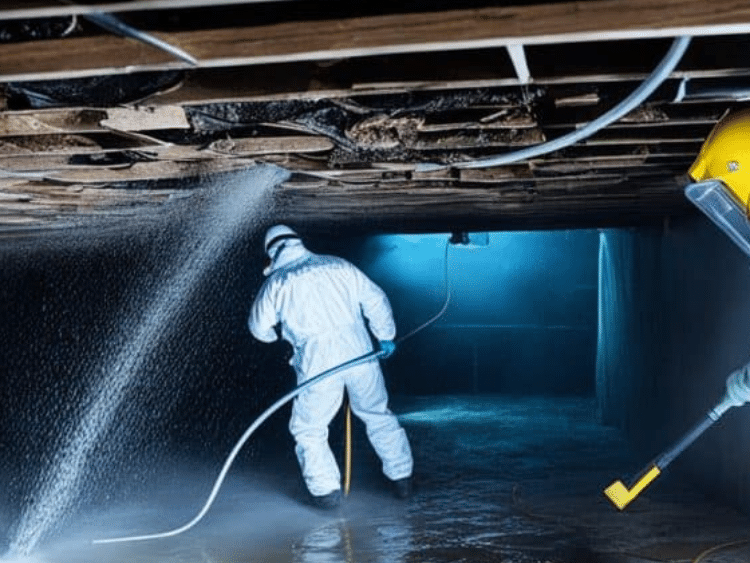
Ever thought about how a waterproof basement could protect your whole home from water damage? At Drainage First, we know a dry basement is key for your peace of mind and your home's safety. We specialize in basement waterproofing for Atlanta metro homeowners.
We find and fix water entry points. Our foundation waterproofing techniques really work. We work together to keep your home safe and save you money on repairs.
Key Takeaways
- Understanding moisture control in basements is vital for home preservation.
- Identifying water entry points is the first step towards effective solutions.
- Foundation waterproofing can greatly lower the risk of water damage.
- A waterproof basement boosts your home's value and livability.
- Regular maintenance is essential to avoid future water problems.
- Choosing professional services can save you from costly long-term expenses.
Share:
Serving Metro Atlanta and Surrounding Areas
Get Started Today with our Basement Waterproofing Service
Do you need to waterproof your basement? Contact us now for a free consultation and let’s find the right solution for your home.
Drainage First – Catch the water before it comes in your room!
Introduction to Basement Waterproofing in Atlanta
Basement waterproofing is key for homeowners to avoid water damage. It uses different methods to keep moisture out of your basement. This makes your basement dry and healthy.
Sealing cracks, improving drainage, and using sump pumps are important steps. These help manage water flow effectively. Good basement waterproofing keeps moisture out and improves air quality. It stops mold and mildew, which can harm your family's health. At Drainage First, we tackle moisture control in a detailed way.
We focus on both environmental and structural issues. This helps prevent water from getting into homes in the Atlanta area.
Common Causes of Basement Moisture
Before implementing any basement waterproofing solution, it’s crucial to identify the source of moisture. Understanding the specific cause helps determine the most effective treatment approach for your situation.
Groundwater Seepage
When the water table rises after heavy rainfall or snowmelt, hydrostatic pressure forces water through cracks, joints, and porous areas in your foundation. This is the most common source of basement moisture problems and often requires a comprehensive drainage solution.
Foundation Cracks
Even hairline cracks in your foundation walls or floor can allow water to enter. These cracks typically develop due to settling, soil pressure, or concrete shrinkage during curing. While small cracks might seem minor, they often widen over time and require proper sealing to prevent water intrusion.
Poor Drainage Systems
Improperly designed or clogged gutter systems, downspouts that discharge too close to the foundation, and inadequate landscape grading can all direct water toward your foundation instead of away from it. These exterior drainage issues are often the easiest and most cost-effective to fix.
Condensation
When warm, humid air contacts cool basement surfaces, condensation forms. This is particularly common in summer months or in homes with inadequate ventilation. While not technically a leak, condensation can create significant moisture problems and is often mistaken for seepage.
Interior Waterproofing Solutions
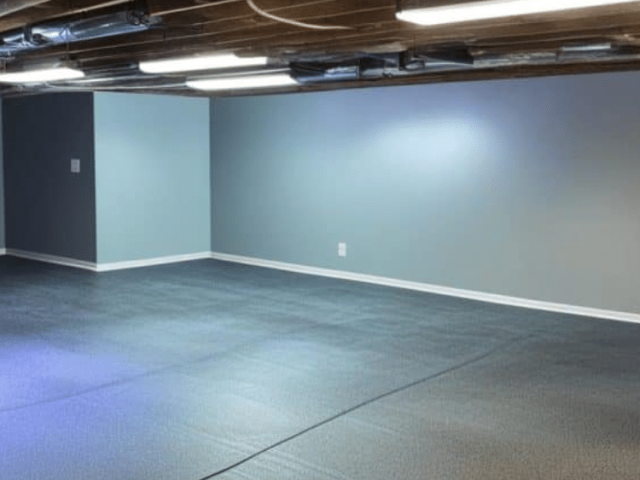
Interior solutions are essential for managing water already present in the basement. These solutions include:
- Installing an interior drainage system to redirect water away from the basement.
- Using sump pumps to efficiently remove accumulated water.
- Applying waterproof coatings to walls and floors for added protection against moisture.
These measures help keep your basement dry and protect against water damage.
Exterior Waterproofing Methods
Exterior waterproofing prevents leaks before they enter your home. The process involves:
- Excavating around the foundation to access exterior walls.
- Applying waterproof membranes to block water infiltration.
- Ensuring proper ground slope away from the house to prevent water pooling.
Effective exterior waterproofing safeguards your foundation from water damage and enhances structural longevity.
Signs Your Basement Needs Waterproofing
Spotting water intrusion early is critical for maintaining a healthy home. Homeowners should monitor for signs of moisture in the basement to prevent larger issues down the line.
Damp Spots and Mold Growth
Damp spots on walls or floors indicate potential water infiltration. These areas create ideal conditions for mold growth, which can degrade indoor air quality and pose health risks.
Condensation and Musty Odors
Condensation on windows and doors signals high basement humidity. A musty odor often accompanies this, suggesting mold or mildew presence, a clear indicator of moisture issues.
Efflorescence and Water Stains
Efflorescence, characterized by white deposits on walls, forms when moisture evaporates. Water stains on surfaces also reveal moisture penetration. Identifying these signs enables prompt waterproofing solutions.
How to Identify Water Entry Points
Pinpointing water entry points in your basement is essential for keeping it dry. A thorough moisture inspection can prevent water damage before it escalates. Focus on these key areas:
- Cracks in Foundation Walls or Floors: Inspect for both visible and hidden cracks, as water can seep through even minor gaps.
- Gaps Around Windows or Doors: Check for poorly sealed areas, which are vulnerable to water entry during heavy rain.
- Penetrations for Pipes or Utilities: Ensure all openings for pipes or utilities are properly sealed to block moisture.
- Cove Joint: Examine the junction where the wall meets the floor, a common entry point for moisture.
A detailed inspection of these areas helps maintain a dry basement.
Exterior Basement Waterproofing Techniques
Effective exterior waterproofing is vital for a dry basement and preventing costly water damage. By employing various techniques, you safeguard your foundation and extend your home’s longevity. Key methods include:
Improving Yard Grading and Drainage
Proper yard grading directs water away from your foundation, enhancing drainage. Consider these steps:
- Add soil to low areas to create a slope away from the foundation.
- Install French drains to divert excess water effectively.
Installing or Upgrading Gutters and Downspouts
Well-maintained gutters and downspouts are crucial for exterior waterproofing, keeping rainwater away from your home. Optimize performance by:
- Regularly cleaning gutters to remove debris.
- Extending downspouts at least 15 feet from the foundation.


Basement Waterproofing Maintenance
Maintaining a dry basement requires consistent effort and dedication. Regular maintenance is essential to prevent water damage and keep your basement safe and dry.
Regular Inspections and Cleaning
Inspect your foundation and surrounding areas twice annually. Key tasks include:
- Examining gutters for blockages to ensure proper water flow.
- Checking downspouts and drainage systems for debris buildup.
- Identifying and sealing cracks in walls or floors to prevent water entry.
Keeping these areas clean prevents minor issues from escalating, saving time and money in the long run.
Humidity Control and Ventilation
Controlling moisture is critical to avoid dampness. Use dehumidifiers to maintain humidity levels below 50%, reducing the risk of mold and condensation. Additionally, ensure your HVAC systems function properly to promote adequate ventilation in your basement.
When to Hire Professional Waterproofing Companies
Many homeowners question when to seek professional waterproofing services. While some tasks are suitable for DIY, serious water issues require expert intervention. Consider hiring professionals when:
- Severe flooding or persistent water infiltration occurs.
- Extensive foundation cracks require professional expertise.
- Complex drainage systems need installation, either interior or exterior.
Engaging professionals for these issues ensures effective solutions, saving time, money, and providing peace of mind.
Cost Factors in Basement Waterproofing
Understanding the factors influencing waterproofing costs is crucial, as prices can vary significantly based on your specific circumstances.
Budgeting for Different Waterproofing Methods
Basement waterproofing costs depend on several factors:
- Size of Your Basement: Larger basements require more materials and labor, increasing costs.
- Severity of Water Issues: Significant water problems demand specialized solutions, raising expenses.
- Chosen Waterproofing Methods: Basic repairs may be cost-effective, while advanced systems are pricier.
- Geographic Location: Regional differences can impact pricing, necessitating a tailored budget.
Start with a detailed budget and obtain multiple quotes to identify cost-effective solutions for your basement waterproofing needs. Thorough planning can lead to significant savings and effective water issue resolution.
Conclusion
Keeping your basement dry is key for homeowners. It protects your investment and keeps your home safe. By using solutions like exterior drainage and sump pumps, you can avoid water damage.
Being proactive with these steps helps keep your home strong and valuable. It’s important to act early to prevent problems.
If you need advice or solutions for your basement, reach out. At Drainage First, we offer effective and affordable services. We aim to stop moisture and keep your home safe.
Don’t wait for water damage to happen. Call us today at (678) 389-9544. Let’s talk about making your basement dry and secure.
Frequently Asked Questions
Still have any questions? Call us today on 678-389-9544.
or email us on drainagefirst@gmail.com
Can I waterproof my basement myself?
Yes, you can tackle certain aspects of basement waterproofing yourself, particularly for minor issues. DIY-friendly projects include applying interior sealants, installing proper gutter extensions, improving landscape grading, and sealing small cracks. However, more complex issues like installing interior drainage systems, exterior waterproofing, or addressing structural problems typically require professional expertise and equipment for lasting results.
How long does basement waterproofing last?
The longevity of basement waterproofing depends on the methods used and quality of installation. Interior sealants typically last 2-5 years, while properly installed interior drainage systems can last 15-20+ years. Exterior waterproofing membranes often last 20-30+ years. Regular maintenance significantly extends the life of any waterproofing system. The most durable solutions combine multiple approaches for redundant protection.
What's the difference between waterproofing and dampproofing?
Dampproofing is a minimal treatment that resists soil moisture but not liquid water under pressure. It’s typically a thin coating applied to exterior foundation walls during construction. Waterproofing is a more robust system designed to resist water under pressure and typically involves membranes, drainage components, and water management systems. Most homes with basement moisture issues require true waterproofing rather than simple dampproofing.
Is basement waterproofing worth the investment?
Yes, basement waterproofing is typically an excellent investment. Beyond preventing costly water damage repairs (which can run $10,000+), it protects your home’s structural integrity, improves indoor air quality, prevents mold growth, increases usable living space, and enhances property value. Most homeowners see a return on investment of 30-50% when selling their home, plus the ongoing benefits of a dry, healthy basement.
Should I waterproof my basement from the inside or outside?
The ideal approach often combines both methods. Exterior waterproofing prevents water from reaching your foundation and is most effective when done during construction or when landscape access is easy. Interior waterproofing manages water that penetrates the foundation and is less disruptive to implement in existing homes. For comprehensive protection, many professionals recommend interior drainage systems combined with exterior drainage improvements and foundation wall protection.
How do I choose the right waterproofing method for my basement?
Pick a method based on your water problems, basement size, and budget. Talking to a waterproofing expert can help you choose the best option for your basement.